Iceland's Golden Circle is arguably the country's most famous tourist route, and for good reason. This scenic loop showcases three of Iceland's most spectacular natural wonders, all accessible within a single day's drive from the capital. Whether you're a first-time visitor or returning to explore more deeply, this complete beginner's guide will ensure you make the most of your Golden Circle experience.
What is the Golden Circle?
The Golden Circle is a roughly circular route in South Iceland that connects three major attractions approximately 300 kilometers (190 miles) apart. It's called the Golden Circle because of the "golden" experiences it offers—from tectonic plate views to geysers and powerful waterfalls.
The Three Main Attractions
1. Thingvellir National Park
Thingvellir is Iceland's first national park and a UNESCO World Heritage Site. Located about 45 kilometers east of Reykjavik, it's a geological and historical marvel.
Geological Significance
Thingvellir is where two major tectonic plates—the North American and Eurasian plates—visibly meet. You can actually walk between these plates in the dramatic rift valley, seeing the evidence of Iceland's formation in real-time. The valley floor has sunk over millennia as the plates pull apart at a rate of about 2 centimeters per year.
Historical Importance
Beyond its geological wonders, Thingvellir holds immense historical significance. In 930 AD, Iceland's first parliament (the Althing) was established here, making it one of the world's oldest parliaments. The site remained the center of Iceland's governance for centuries.
What to See and Do
- Silfra Rift: A stunning fissure between tectonic plates filled with crystalline water, famous for snorkeling experiences.
- Walking Trails: Easy to moderate trails through the valley offering spectacular views.
- Oxararfoss Waterfall: A scenic waterfall cascading through the rift valley.
2. Geysir Hot Spring Area
Located about 50 kilometers northeast of Thingvellir, the Geysir area is a geothermal wonderland. The name "Geysir" actually comes from the Icelandic word "geysa," meaning "to erupt," and it's where English gets its word "geyser."
Strokkur Geyser
The star of this area is Strokkur Geyser, one of the world's most active and predictable geysers. It erupts approximately every 5-10 minutes, shooting boiling water up to 40 meters into the air. Witnessing this raw display of geothermal power is unforgettable.
Other Geothermal Features
Beyond Strokkur, the area features numerous hot springs, mud pots, and steam vents. The Great Geyser, which gave the area its name, erupts occasionally under specific conditions.
Practical Information
- There's no entrance fee to visit the geysir area
- A visitor center with facilities, restaurants, and shopping is nearby
- The area is accessible year-round
- Allow 1-2 hours to explore the geothermal field
3. Gullfoss Waterfall
Located approximately 55 kilometers southwest of the Geysir area, Gullfoss is one of Europe's most powerful waterfalls and arguably Iceland's most iconic natural feature.
The Falls
Gullfoss descends in two stages into a dramatic 32-meter-deep canyon, with water volumes varying seasonally from 100 to over 400 cubic meters per second. The scale and power of this waterfall are truly humbling.
The Golden Color
The waterfall's name, "Gullfoss," means "golden waterfall" in Icelandic. The golden hue comes from glacial sediment in the water, particularly visible on sunny days, and adds to the mystique of this natural wonder.
Visitor Experience
- Well-maintained viewing platforms offer multiple perspectives
- A visitor center with café and facilities is available
- The waterfall is accessible year-round, though paths can be icy in winter
- Bring waterproof clothing—mist from the falls can reach the viewing areas
Planning Your Golden Circle Visit
How Long Does It Take?
The Golden Circle can be completed in a single full day, typically 8-10 hours including drive time and stops. However, many travelers prefer to spend 2-3 days to explore each site more thoroughly.
Driving Route
The typical route from Reykjavik is:
- Reykjavik to Thingvellir (45 km, ~1 hour)
- Thingvellir to Geysir (50 km, ~1 hour)
- Geysir to Gullfoss (55 km, ~1 hour)
- Gullfoss back to Reykjavik (120 km, ~2 hours)
Best Time to Visit
Summer (June-August) offers the best weather and longest daylight hours, but also sees the largest crowds. Shoulder seasons (April-May, September-October) provide pleasant weather with fewer visitors. Winter (November-February) is spectacular for chasing the Northern Lights, though roads may be challenging.
What to Pack
- Waterproof jacket and pants
- Sturdy, waterproof hiking boots
- Warm, layered clothing
- Sunscreen and sunglasses
- Camera equipment
- Snacks and water
Guided Tours vs. Self-Drive
Guided Tours
Pros:
- No driving required
- Informative guides provide historical and geological context
- All logistics handled
Cons:
- Fixed schedule limits exploration time
- Higher cost
- Less flexibility
Self-Drive
Pros:
- Complete flexibility in pacing and stops
- Potentially lower cost
- Ability to explore lesser-known nearby attractions
Cons:
- Driving responsibility, especially in winter
- Need for valid driver's license and international permit
- Car rental costs
Extending Your Golden Circle Adventure
Nearby Attractions
While the three main sites are spectacular on their own, consider extending your trip to nearby wonders:
- Secret Lagoon: A natural hot spring near Geysir offering a more intimate geothermal experience than commercialized spas.
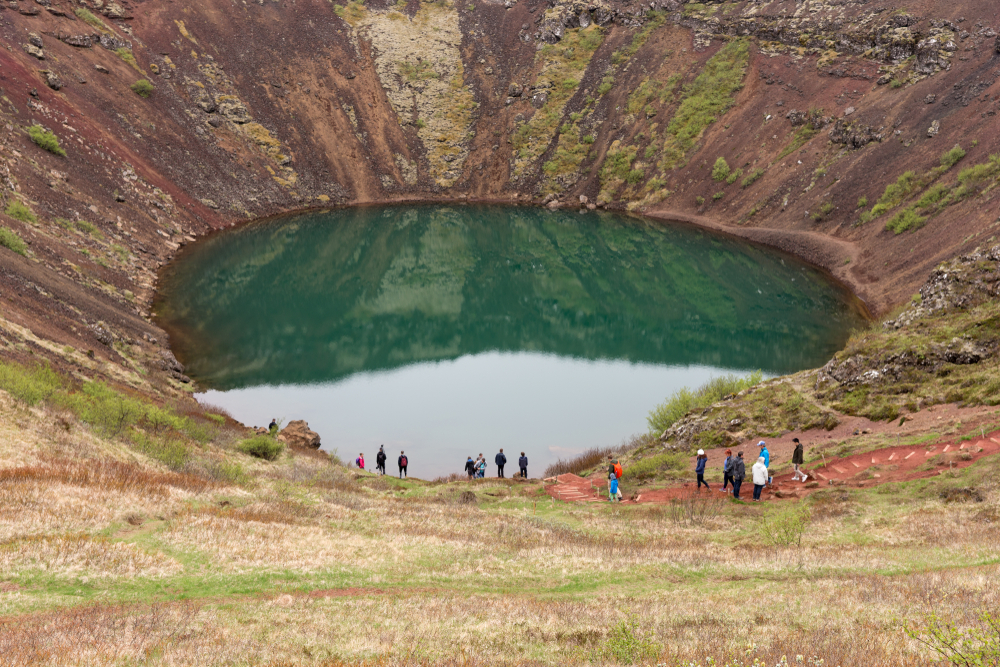
- Kerid Crater: A stunning volcanic crater with a geothermal lake.
- Hraunfossar Waterfall: Scenic waterfalls created by glacial meltwater.
South Coast Combination
Many travelers combine the Golden Circle with the South Coast route, which features Seljalandsfoss and Skogafoss waterfalls, Reynisfjara black sand beach, and Jokulsarlon Glacier Lagoon. This creates a comprehensive Icelandic experience.
Practical Tips for Success
Road Safety
- Respect weather conditions and road closures
- Check road status on road.is before departing
- Never drive beyond your comfort level
- Use headlights at all times
Fuel and Services
- Fill up before leaving Reykjavik
- Bring snacks and water
- Restaurants and facilities are available at major stops
Photography
- Arrive early for the best lighting and fewer crowds
- Bring protective gear for camera equipment near waterfalls
- Different times of day offer unique perspectives
Conclusion
Iceland's Golden Circle offers a perfect introduction to the country's geological wonders, natural beauty, and historical significance. From walking between tectonic plates at Thingvellir to witnessing Strokkur's spectacular eruptions and standing awestruck before Gullfoss, the Golden Circle delivers experiences that will stay with you forever. Whether you choose a guided tour or self-drive adventure, this iconic route deserves a prominent place in your Iceland itinerary. Start planning your Golden Circle adventure today and prepare to experience some of Earth's most spectacular natural wonders.