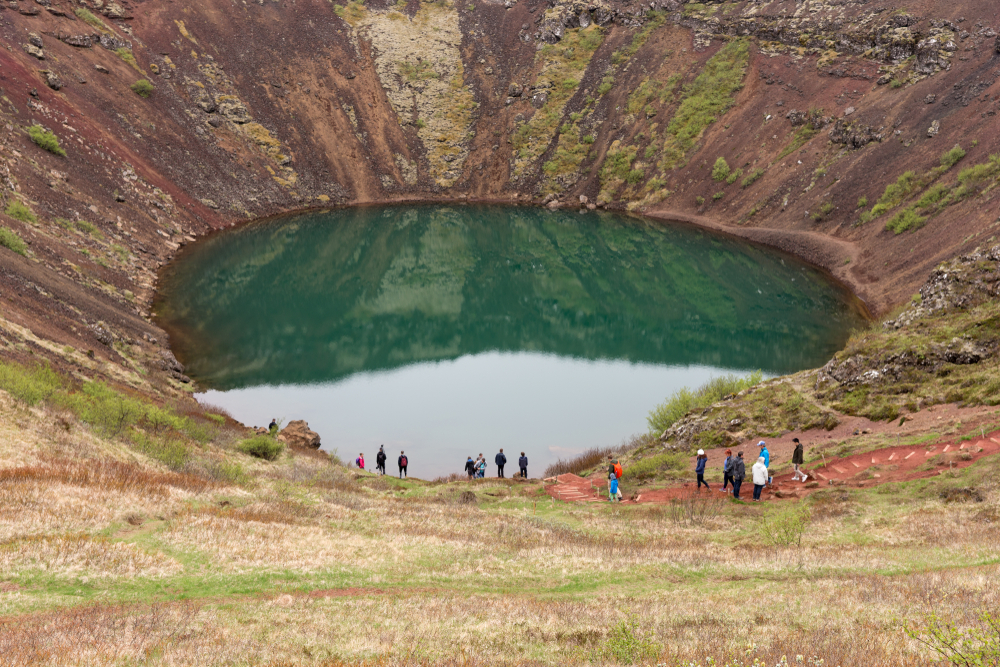
Planning your first trip to Iceland? You're in for an extraordinary adventure. Iceland, often called the Land of Fire and Ice, is a country unlike any other on Earth. With its dramatic landscapes, unique culture, and endless natural wonders, it's the perfect destination for first-time travelers seeking adventure, relaxation, and unforgettable memories.
This comprehensive beginner's guide will walk you through everything you need to know to plan an amazing Iceland trip.
Why Visit Iceland?
Iceland offers something truly special for every type of traveler:
- Unique Natural Landscapes: From glaciers and waterfalls to black sand beaches and geothermal hot springs, Iceland's scenery is unmatched.
- Northern Lights: One of Earth's most magical phenomena, the Aurora Borealis is a sight that will stay with you forever.
- Safe and Welcoming: Iceland consistently ranks as one of the world's safest countries with friendly locals and excellent infrastructure.
- Compact Country: Despite its impressive landscapes, Iceland is relatively small, making it easy to explore multiple destinations in one trip.
- Outdoor Adventures: Whether you're into hiking, glacier trekking, whale watching, or cave exploration, Iceland delivers.
Best Time to Visit Iceland
Summer (June to August)
Summer is Iceland's high season for good reason. You'll experience 24-hour daylight (Midnight Sun), mild weather, and all roads and attractions are accessible. Expect higher prices and larger crowds.
Winter (November to February)
Winter is ideal for chasing the Northern Lights. The dark nights create perfect conditions for aurora viewing. Weather is colder, some mountain roads close, but the magical experience is worth it.
Shoulder Seasons (April-May and September-October)
Spring and autumn offer a happy medium: fewer crowds than summer, reasonable weather, and lower prices. These seasons are perfect for budget-conscious travelers.
Getting There: Flights and Arrival
Most visitors fly into Keflavik International Airport, located about 50 kilometers from Reykjavik. The airport is well-connected with flights from major European and North American cities.
From the Airport to Reykjavik
Several options are available:
- Airport Bus: Affordable and convenient, buses run regularly to downtown Reykjavik (ISK 2,900, approximately $22 USD).
- Rental Car: Starting your adventure with a rental car gives you maximum flexibility for exploration.
- Private Transfer: A more comfortable option if you prefer door-to-door service.
Accommodation Options
Iceland offers accommodation for all budgets:
- Luxury Hotels: High-end hotels offer comfort and premium amenities.
- Mid-Range Hotels and Guesthouses: Comfortable, well-appointed options at moderate prices.
- Budget Hostels: Perfect for solo travelers and budget-conscious visitors with shared facilities.
- Airbnb and Vacation Rentals: Self-catering options that provide flexibility and often better value.
- Unique Stays: Glamping, cabin rentals, and eco-lodges offer memorable experiences.
Transportation and Getting Around
Renting a Car
Renting a car is the most popular way to explore Iceland independently. Benefits include flexibility, access to remote locations, and the ability to travel at your own pace. International driving permits are recognized, and driving is on the right side of the road.
Public Transportation
Bus networks connect major towns, though service is more limited than in other European countries. Buses are reliable and affordable.
Guided Tours
If you prefer not to drive, numerous guided tours cover major attractions like the Golden Circle.
The Golden Circle: Must-See Introduction
For first-time visitors, the Golden Circle is essential. This scenic route connects three major attractions:
- Thingvellir National Park: Walk between tectonic plates and witness where the North American and Eurasian plates meet.
- Geysir Hot Spring Area: Watch Strokkur geyser erupt spectacularly every few minutes.
- Gullfoss Waterfall: Experience one of Europe's most powerful waterfalls cascading into a canyon.
This can be completed as a day trip or extended to explore nearby attractions like Strokkur Geyser and its surrounding geothermal area.
Geothermal Hot Springs and Spas
Iceland's geothermal activity provides unique bathing experiences:
- The Blue Lagoon: Iceland's most famous spa with milky-blue geothermal waters.
- Secret Lagoon: A more natural, less commercialized alternative to the Blue Lagoon.
- Sky Lagoon: A modern luxury spa with ocean views.
Waterfalls, Glaciers, and Natural Wonders
Iceland's natural beauty extends far beyond the Golden Circle:
- Waterfalls: Seljalandsfoss, Skogafoss, and Dynjandi are breathtaking cascades.
- Glaciers: Trek on Vatnajokull or explore ice caves.
- Black Sand Beaches: Reynisfjara Beach offers dramatic coastal scenery.
- Jokulsarlon Glacier Lagoon: A stunning blue lagoon filled with icebergs.
The Northern Lights (Aurora Borealis)
Seeing the Northern Lights is on many travelers' bucket lists. The best viewing season is from September to March when the nights are longest. Popular viewing locations include:
- Remote areas in North Iceland
- South Coast locations with dark skies
- Reykjavik and surrounding areas (less ideal but still possible)
Many tour operators offer Northern Lights hunting expeditions.
Icelandic Culture and Local Experience
To truly experience Iceland, engage with its culture:
- Museums: Reykjavik has excellent museums covering Viking history, Icelandic culture, and contemporary art.
- Local Cuisine: Try traditional Icelandic dishes like fresh seafood, lamb, and unique delicacies.
- Language: While most Icelanders speak excellent English, learning a few basic phrases is appreciated.
- Bathing Culture: Public pools and hot springs are community gathering places.
Practical Information for First-Time Visitors
Currency and Money
Iceland uses the Icelandic Króna (ISK). While credit cards are widely accepted, it's wise to carry some cash. ATMs are readily available in towns.
Weather and What to Pack
Iceland's weather is unpredictable. Layer your clothing, bring waterproof jackets, and pack sturdy hiking boots. Weather can change dramatically within hours.
Electricity
Iceland uses 230V, 50Hz. If you're from a country with different voltage, bring a converter.
Internet and Communication
Iceland has excellent internet coverage. Mobile networks offer reasonable rates for visitors.
Safety Tips
Iceland is extremely safe, but keep these tips in mind:
- Respect natural forces: waterfalls, glaciers, and geysers can be dangerous.
- Follow warning signs and respect barriers.
- Inform someone of your travel plans if exploring remote areas.
- Drive carefully, especially in winter or on mountain roads.
Budget Planning
Iceland can be expensive, but budget options exist:
- Budget Daily Cost: ISK 10,000-15,000 ($75-110 USD) for backpackers using hostels and cooking.
- Mid-Range Daily Cost: ISK 20,000-30,000 ($150-225 USD) for comfortable hotels and dining.
- Luxury Daily Cost: ISK 40,000+ ($300+ USD) for premium accommodations and fine dining.
Sample Iceland Itineraries
7-Day Classic Iceland Itinerary
- Day 1: Arrive, explore Reykjavik
- Day 2-3: Golden Circle
- Day 4-5: South Coast (waterfalls, black sand beaches, Glacier Lagoon)
- Day 6: Blue Lagoon
- Day 7: Reykjavik, depart
10-Day Extended Adventure
- Days 1-4: South Coast and Golden Circle
- Days 5-6: East Iceland (Egilsstadir, waterfalls)
- Days 7-8: North Iceland (Akureyri, Myvatn area)
- Days 9-10: Return to Reykjavik, explore and depart
Conclusion
Iceland is an incredible destination for first-time visitors. Whether you're drawn by natural wonders, cultural experiences, or adventure, Iceland delivers on all fronts. Start planning your Icelandic adventure today, and prepare to experience a country that will capture your heart and inspire your spirit. Iceland awaits!