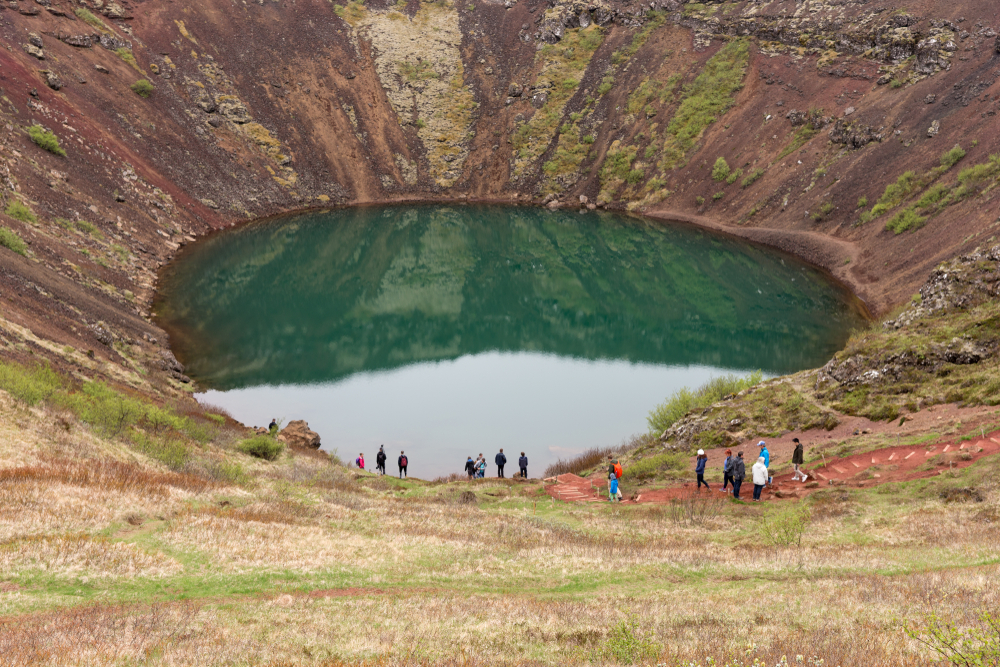
Iceland is a land of fire and ice, where dramatic landscapes create some of the world's most breathtaking natural scenery. From towering waterfalls to vast glaciers, Iceland's diverse topography offers endless opportunities for exploration and photography.
Understanding Iceland's geography helps you appreciate the forces that have shaped this unique island and plan unforgettable adventures. This comprehensive guide explores the major geographical features that define Iceland.
Geological Formation and Structure
The Mid-Atlantic Ridge
Iceland's unique position on the Mid-Atlantic Ridge makes it geologically special. The island sits directly above the boundary between the North American and Eurasian tectonic plates, which are moving apart at a rate of approximately 2 centimeters per year.
This geological activity is responsible for Iceland's volcanic nature, geothermal energy, and the distinctive landscape of spreading zones and fault lines.
Volcanic Activity
Iceland has approximately 30 active volcanic systems. The island's volcanic nature is evident in its lava fields, volcanic peaks, and geothermal features.
Major volcanic systems include:
- Katla: Beneath the Mýrdalsjökull glacier, one of Iceland's largest volcanoes
- Eyjafjallajökull: Made famous by the 2010 eruption that disrupted European air traffic
- Hekla: Historically one of Iceland's most active volcanoes
- Krafla: A geothermal hotspot in North Iceland with frequent eruptions and thermal features
Glaciers and Ice Caps
Iceland's glaciers cover approximately 11% of the island's surface. These vast expanses of ice are retreating due to climate change, but they remain spectacular natural features.
Major Glaciers
Vatnajökull: The largest glacier in Europe, covering an area of 8,100 square kilometers (3,130 square miles). It feeds numerous outlet glaciers and is a major tourist destination.
Langjökull: Iceland's second-largest glacier, covering about 950 square kilometers (367 square miles). It's the source of both the Hvítá River and the Þjórsá River.
Snæfellsjökull: A smaller glacier-capped volcano in western Iceland, famous from Jules Verne's "Journey to the Center of the Earth."
Mýrdalsjökull: A glacier that covers the Katla volcano. Jökulhlaups (glacial floods) can occur when volcanic heat melts the ice rapidly.
Glacier Trekking and Tours
Many glaciers are accessible to visitors. Guided glacier hiking tours allow you to explore these icy landscapes safely and learn about glacial geology and climate change from expert guides.
Glacier tours range from relatively easy walks on well-maintained paths to challenging mountaineering expeditions for experienced climbers.
Waterfalls of Iceland
Iceland's landscape is dotted with spectacular waterfalls, many of them fed by glacial melt and geothermal water.
The Golden Circle Waterfalls
Gullfoss: Located on the Hvítá River, Gullfoss drops approximately 32 meters in two stages. Its milky glacial water and powerful flow make it one of Iceland's most iconic waterfalls.
Other Notable Waterfalls
Skógafoss: On the South Coast, this waterfall drops 60 meters and is one of the most visited in Iceland.
Seljalandsfoss: Famous for allowing visitors to walk behind the falling water, creating a unique perspective.
Dettifoss: Located in the North, Dettifoss is Europe's most powerful waterfall by volume.
Svartifoss: Unique for its backdrop of black basalt columns, Svartifoss is located within Vatnajökull National Park.
Geothermal Features
Hot Springs and Geysers
Iceland's geothermal energy powers much of the nation's electricity and heating. Visitors can experience this power firsthand at numerous geothermal sites.
The Geysir area features numerous hot springs and the famous Strokkur geyser, which erupts every 5-10 minutes. The Blue Lagoon, fed by geothermal power plant discharge, is a popular tourist destination.
Geothermal Landscapes
The Mývatn area in North Iceland features dramatic geothermal landscapes with bubbling mud pools, steam vents, and colorful mineral deposits.
Fjords and Coastlines
The Dramatic Fjords
Iceland's fjords, particularly in the northwest and east, feature steep cliffs, deep water, and dramatic landscapes.
Major fjord regions include:
- Westfjords: Remote, rugged, and sparsely populated
- East Fjords: Picturesque and less visited than the south
Coastal Features
Iceland's coast features black sand beaches, sea stacks, and caves. The South Coast includes famous attractions like Reynisfjara Black Sand Beach and the rock formations at Vík.
Lava Fields and Caves
Much of Iceland's interior and parts of the inhabited zones are covered in lava fields. These volcanic landscapes provide unique hiking opportunities.
Craters of the Moon: A lava field north of Reykjavik offering a moonscape-like landscape for hiking.
Caves: Iceland has several notable caves, including Vatnshellir Cave beneath Snæfellsjökull glacier and Rauðfeldsgjá Cave.
Rivers and Lakes
Iceland's rivers are fed by glacial melt and geothermal sources. The most significant include the Þjórsá River, Iceland's longest river, and the Hvítá River.
Lakes range from glacial-fed formations like Jökulsárlón Glacier Lagoon to geothermal lakes. Many lakes contain unique fish species and support rich birdlife.
The Interior Highlands
Iceland's vast interior, known as the Highlands, is largely uninhabited and inaccessible except during summer months via high-clearance vehicles.
The Highlands feature:
- Vast glacial plains
- Mountains and volcanic peaks
- Geothermal areas
- Colorful rhyolite mountains like those at Landmannalaugar
Climate and Weather Impact on Geography
Iceland's subarctic climate shapes its landscape dramatically. The combination of glacial retreat, permafrost, and strong winds continuously modifies the topography.
The country's unique position near the Arctic Circle means significant seasonal variation in daylight, from nearly 24-hour daylight in summer to darkness in winter.
Visiting Iceland's Geographic Features
The Ring Road Route
Iceland's famous Ring Road (Route 1) circumnavigates the island in approximately 1,300 kilometers (808 miles), passing many major geographic features.
Most visitors spend at least 7-10 days driving the Ring Road to fully appreciate Iceland's diversity.
Popular Geographic Routes
The Golden Circle: Connects Thingvellir, Geysir, and Gullfoss, showcasing tectonic activity, geothermal energy, and waterfalls in a single day trip.
South Coast: Features waterfalls, glaciers, black sand beaches, and volcanic landscapes.
North Iceland: Offers geothermal landscapes, fjords, and less crowded attractions.
Conclusion
Iceland's geography is a fascinating blend of geological extremes: fire and ice, mountains and plains, coastal beauty and inland wilderness. Understanding these geographical features enhances your appreciation of Iceland's natural wonders and helps you plan an adventure that showcases the island's incredible diversity.
Whether you're exploring the Golden Circle, trekking on glaciers, or driving the Ring Road, Iceland's unique geography promises unforgettable experiences at every turn.