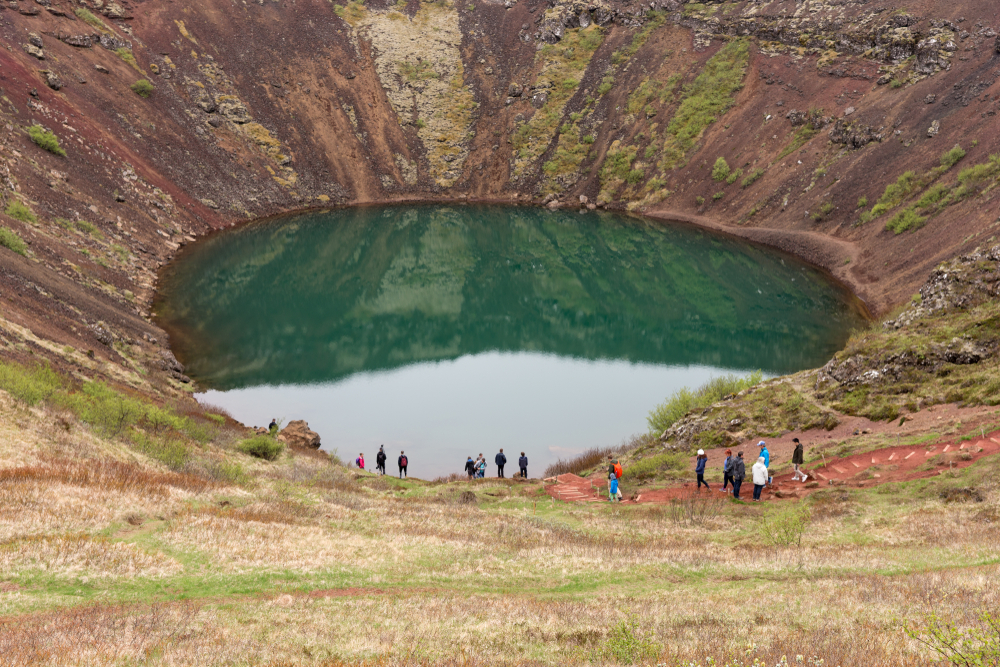
Iceland's Golden Circle is equally magical in winter as it is in summer, offering a completely different perspective on these iconic natural wonders. While many tourists flock to Iceland during the summer months, winter brings its own enchantment: snow-covered landscapes, shorter days perfect for Northern Lights hunting, and fewer crowds. This comprehensive guide will help you plan an unforgettable winter visit to Iceland's Golden Circle.
Why Visit the Golden Circle in Winter?
Visiting the Golden Circle during Iceland's winter season offers unique advantages:
- Northern Lights: September to March offers the best chance to witness the Aurora Borealis dancing across the sky.
- Fewer Crowds: Winter brings significantly fewer tourists, allowing for a more intimate experience.
- Dramatic Scenery: Snow and ice create stunning contrasts with geothermal features and waterfalls.
- Unique Photography: Winter light and scenery offer exceptional photographic opportunities.
- Lower Prices: Accommodation and tours are generally less expensive than peak summer season.
Best Time for Winter Visits
November to March
Winter in Iceland typically runs from November through March. Each month offers different conditions:
November and February
These shoulder months offer moderate conditions with improving (November) or declining (February) weather, balance between daylight and darkness, and good Northern Lights viewing opportunities.
December and January
These peak winter months feature minimal daylight (4-5 hours), intense cold, challenging road conditions, but optimal Northern Lights viewing opportunities.
March
Spring's approach brings increasing daylight, slightly milder temperatures, and good Northern Lights potential in early March.
Essential Winter Gear and Clothing
Layering Strategy
The Icelandic weather principle: "There's no bad weather, only bad clothing."
- Base Layer: Merino wool thermal underwear to wick moisture away from skin
- Mid Layer: Fleece or wool sweater for insulation
- Outer Layer: Windproof and waterproof jacket and pants
Extremities Protection
- Hat: Covers ears and forehead completely
- Gloves: Insulated, waterproof gloves (mittens are warmer than gloves)
- Scarf/Neck Buff: Protects neck and can cover face in extreme conditions
- Waterproof Boots: Insulated, with excellent grip for icy conditions
- Wool Socks: Multiple pairs to rotate
Additional Items
- Sunscreen and lip balm with SPF (snow reflects UV rays)
- Moisturizer for dry skin
- Hand and foot warmers
Road Conditions and Driving Safety
Understanding Winter Roads
Winter driving in Iceland presents unique challenges:
- Ring Road 1 (main route) is generally maintained but can be icy
- Mountain roads and secondary routes may close unexpectedly
- Visibility can be severely limited by snow and darkness
- Black ice is a serious hazard
Before You Drive
- Check Road Status: Visit road.is daily for road closure and condition updates
- Rent Appropriate Vehicle: 4WD vehicles are recommended for winter driving
- Carry Winter Equipment: Snow chains, blanket, emergency kit, flashlight
- Inform Others: Tell someone your planned route and expected arrival time
Driving Tips
- Drive slowly and defensively
- Use headlights at all times
- Maintain distance between vehicles
- If unsure about conditions, consider hiring a driver or joining a guided tour
Alternative Transportation
If driving seems too risky, consider these alternatives:
- Guided Bus Tours: Professional drivers familiar with winter conditions
- Private Driver Services: Door-to-door transportation with local knowledge
- Rental Cars with Drivers: Hire someone to drive your rental vehicle
The Three Golden Circle Attractions in Winter
Thingvellir National Park
Winter transforms Thingvellir into a snowy wonderland:
- Silfra Rift: Still accessible, offering surreal snorkeling experiences between icy walls
- Walking Trails: Snow-covered trails offer changed perspectives but require care on icy patches
- Photography: Snow-laden landscapes create dramatic images
Geysir Hot Spring Area
Strokkur Geyser is particularly impressive in winter:
- Steam Effects: Contrast between boiling water and freezing air creates dramatic steam plumes
- Frozen Surroundings: The geothermal field surrounded by ice and snow is visually stunning
- Eruption Viewing: Still erupts every 5-10 minutes regardless of season
Gullfoss Waterfall
Winter creates an ethereal atmosphere at Gullfoss:
- Ice Formation: Surrounding rocks and ledges become encrusted with ice
- Reduced Flow: Lower water levels in winter (higher in summer from glacial melt) change the waterfall's appearance
- Viewing Platforms: Become slippery; exercise extreme caution and use handholds
Chasing the Northern Lights
Best Viewing Conditions
To maximize Northern Lights viewing:
- Clear Skies: Cloud cover blocks the lights; look for weather forecasts predicting clear skies
- Dark Skies: Locations away from Reykjavik's light pollution offer better visibility
- Strong Solar Activity: Check aurora forecasts on websites like aurora-forecast.com
- Late Night Viewing: Aurora activity often peaks between 10 PM and 2 AM
Golden Circle Aurora Hunting
The Golden Circle area, particularly around Thingvellir, offers dark skies suitable for Aurora viewing:
- The Geysir area provides darker skies than many inhabited regions
- Guided tours can optimize your viewing experience
- Patience is essential; nights without aurora are common
Winter Accommodation and Services
Lodging Options
- Hotels in Geysir Village: Convenient for accessing the geothermal area
- Reykjavik-based Hotels: More options and facilities, requires day trips
- Holiday Rentals: Can offer better value and local immersion
Services and Facilities
- The Geysir Visitor Center remains open year-round with restaurants and shops
- Gullfoss has a visitor center with basic facilities
- Fuel and services can be limited outside main towns; plan fuel stops carefully
Sample Winter Golden Circle Itinerary
3-Day Winter Adventure
- Day 1: Arrive, settle into accommodation, explore Reykjavik area
- Day 2: Golden Circle day tour (Thingvellir, Geysir, Gullfoss) or self-drive if comfortable
- Day 3: Rest day for recovery, or second Golden Circle visit with different focus
- Evenings: Hunt for Northern Lights on clear nights
Winter Safety Precautions
- Respect Warning Signs: Barriers exist for safety; don't cross them
- Hypothermia Risk: Even slight numbness indicates dangerously low body temperature
- Flash Freezing: Water on skin can freeze rapidly in extreme cold
- Emergency Contact: Carry charged phone and know emergency numbers (112 in Iceland)
- Tell Someone: Always inform others of your location and expected return
Pros and Cons of Winter Golden Circle Visits
Advantages
- Northern Lights viewing opportunity
- Fewer tourists and crowds
- Lower prices for accommodation and tours
- Unique and dramatic scenery
Disadvantages
- Challenging weather and driving conditions
- Limited daylight (only 4-5 hours in December/January)
- Road closures can occur unexpectedly
- More expensive rental cars (winter tires/4WD)
- Physical discomfort from cold temperatures
Conclusion
Visiting Iceland's Golden Circle in winter offers a dramatically different experience from summer tourism. The combination of stark, frozen landscapes, the magical possibility of Northern Lights, and fewer crowds creates a uniquely rewarding adventure. While winter presents challenges in terms of weather and driving conditions, proper preparation, appropriate gear, and realistic expectations make a winter Golden Circle visit entirely feasible and deeply memorable. Whether you choose to self-drive with a 4WD vehicle or opt for guided tours, visiting the Golden Circle in winter offers experiences you won't find during the busy summer season. Start your planning, prepare thoroughly, and get ready to experience Iceland's raw winter beauty.