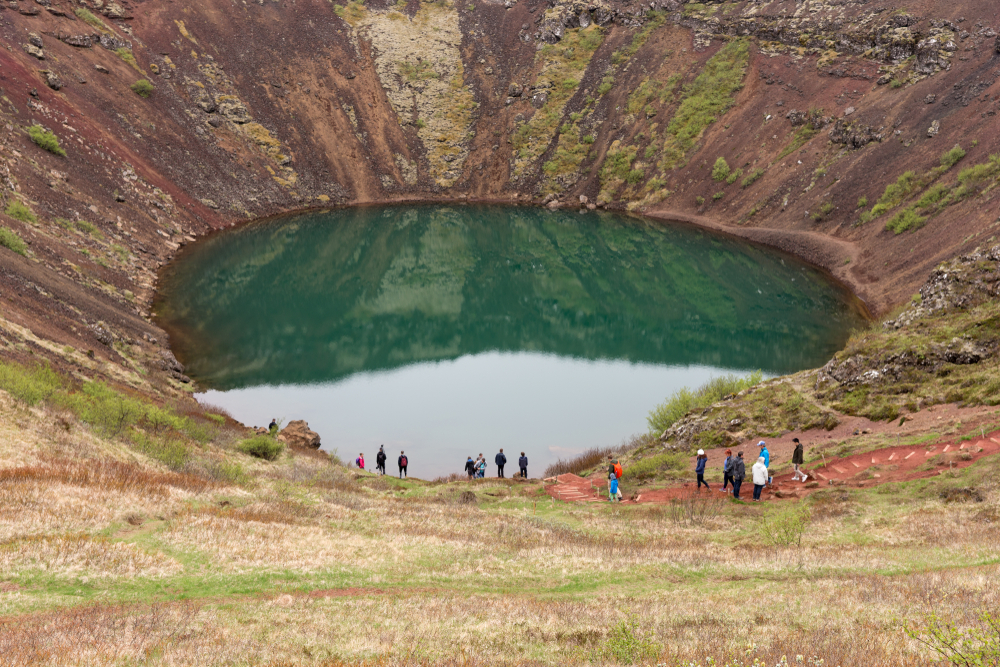
Iceland's Golden Circle is breathtaking in any season, but the experience varies dramatically between summer and winter. Understanding these seasonal differences will help you plan your trip and set appropriate expectations for what you'll encounter.
Whether you're drawn to the midnight sun and thriving wildlife of summer or the magical Northern Lights and quiet landscapes of winter, the Golden Circle offers unique experiences in both seasons. This comprehensive guide will help you make an informed decision about when to visit this remarkable destination.
Summer in the Golden Circle
Weather Conditions
Summer in Iceland (June-August) brings relatively mild temperatures, typically ranging from 12-18°C (54-64°F). While this might sound cool, it feels comfortable with proper clothing. The most notable feature of summer is the extended daylight – from mid-June to mid-July, the sun never fully sets, creating the famous midnight sun phenomenon.
Rainfall is less frequent in summer, though weather remains unpredictable. You might experience sudden changes, so layered clothing remains essential. Most days are dry with occasional showers.
Accessibility and Activities
All major attractions in the Golden Circle are fully accessible in summer. The well-developed road network (Route 1) is in excellent condition, and all hiking trails are open and safe. This is prime season for outdoor activities.
- Hiking: All trails are accessible, from easy walks to challenging mountain climbs.
- Photography: Extended daylight hours provide ample time for photography. Landscapes are vibrant with blooming wildflowers and lush vegetation.
- Horseback Riding: Tours are widely available with excellent visibility of landscapes.
- Visiting Geothermal Areas: The steaming geysers and hot springs are easily accessible and provide striking visual contrasts against the bright summer landscape.
Crowds and Costs
Summer is peak tourist season. The Golden Circle experiences significantly higher visitor numbers, particularly during July and August. This means more crowded attractions, busier accommodations, and higher prices. Booking in advance is essential.
Expect higher hotel rates and fewer budget options available. Popular restaurants may have longer wait times, and tour availability may be limited.
Flora and Fauna
Summer showcases Iceland's wildlife. You'll see birds returning from migration, including puffins, Arctic terns, and other seabirds. Wildflowers bloom across the landscape, painting the valleys in vibrant colors. Marine life is also more active.
Winter in the Golden Circle
Weather Conditions
Winter in Iceland (December-February) brings cold temperatures, typically ranging from -1 to 3°C (30-37°F). However, the constant darkness is more impactful than the cold. Days are very short, with minimal daylight. The winter equinox (around December 21) brings only about 4-5 hours of daylight.
Winter is also the snowiest and most active season for winter weather systems. Snowfall is common, and roads can become hazardous. Wind speeds are higher, and sudden weather changes are frequent. However, these conditions create opportunities for Northern Lights viewing.
Accessibility and Activities
Winter presents more challenges for accessing the Golden Circle. While the main routes are generally maintained, secondary roads may be closed or require special vehicles. Some hiking trails become inaccessible or dangerous due to snow and ice.
- Northern Lights: Winter offers the best opportunity to witness the aurora borealis. Clear nights between September and March provide ideal viewing conditions, with peak activity in December.
- Ice Caves and Glaciers: Winter hiking on glaciers is possible with specialized guides and equipment.
- Winter Photography: The unique lighting conditions create stunning photographic opportunities, with snow covering the landscape and creating contrasts with dark rock.
- Hot Springs: Soaking in steaming hot springs under snow-covered skies is uniquely Icelandic. The contrast between the hot water and freezing air is surreal.
Crowds and Costs
Winter is low season for tourism. This means fewer crowds, significantly lower accommodation prices, and better availability of services. Popular attractions may be nearly empty, providing a more peaceful experience.
Lower costs and peaceful surroundings make winter attractive for budget-conscious travelers seeking solitude and authenticity.
Flora and Fauna
Winter transforms Iceland's landscape. Most vegetation lies dormant under snow. However, some hardy species remain visible, and bird enthusiasts may spot winter residents like white-tailed eagles. The sparse landscape creates dramatic vistas, particularly when snow covers volcanic features.
Seasonal Comparison
Spring and Autumn
Don't overlook shoulder seasons (April-May and September-October). Spring brings returning wildlife and blooming flowers, while maintaining reasonable prices and moderate crowds. Autumn offers similar advantages with the added bonus of potential Northern Lights sightings in September.
Comparison Table
| Factor | Summer | Winter |
|---|---|---|
| Temperature | 12-18°C | -1 to 3°C |
| Daylight | Midnight Sun | 4-5 hours |
| Northern Lights | Not visible | Best viewing |
| Crowds | Very High | Very Low |
| Prices | High | Low |
| Accessibility | Full | Limited |
| Trail Availability | All Open | Limited |
| Photography | Landscape | Aurora |
Choosing the Right Season for You
Choose Summer If You Want:
- Extended daylight hours for exploration and photography
- Access to all hiking trails and attractions
- Wildlife viewing and wildflower blooms
- Predictable (though still changeable) weather
- Full range of outdoor activities
Choose Winter If You Want:
- Northern Lights viewing experience
- Peaceful, uncrowded attractions
- Budget-friendly travel
- Dramatic winter landscapes and photography
- Authentic Icelandic winter experience
Practical Considerations
Equipment and Clothing
Summer requires waterproof, layered clothing but fewer specialized items. Winter demands thermal underwear, heavy insulated coats, thermal gloves, insulated boots, and a warm hat. The investment in proper winter gear is essential for comfort and safety.
Driving Conditions
Summer driving is straightforward on well-maintained roads. Winter driving requires experience with icy conditions, specialized tires or chains, and careful attention to weather forecasts. If you're uncomfortable driving in winter conditions, consider booking a guided tour.
Booking and Planning
Summer requires advance booking due to high demand. Book accommodations and tours 2-3 months ahead. Winter bookings are more flexible, though December holidays can still be busy. Northern Lights tours should be booked with established operators.
FAQs
Q. Which season is best for visiting the Golden Circle?
Ans: There's no universally "best" season. Summer offers accessibility and extended daylight. Winter offers solitude, lower prices, and Northern Lights. Choose based on your preferences and priorities.
Q. Is it safe to visit the Golden Circle in winter?
Ans: Yes, with proper preparation. Use winter tires, check weather forecasts regularly, and consider hiring a guide. Stick to well-maintained routes and avoid travel during severe weather.
Q. Can you see the Northern Lights in the Golden Circle?
Ans: Yes! The best viewing is from September to March, with peak activity in December-January. Choose a location away from light pollution and check forecasts for clear nights.
Q. What's the least crowded time to visit?
Ans: Winter (January-February) is least crowded. Shoulder seasons (April-May, September-October) offer fewer crowds than summer while maintaining better weather and accessibility.
Q. How long does it take to explore the Golden Circle in winter?
Ans: Due to limited daylight, allow at least 2-3 days to explore main attractions. In summer, you can comfortably visit in 1-2 days with the extended daylight hours.