Reykjavik is the perfect base for exploring Iceland's incredible natural wonders. Most of the country's top attractions sit within a few hours' drive from the capital, making day trips easy and rewarding.
Whether you're chasing waterfalls, hunting for the Northern Lights, or soaking in hot springs, these ten day trips will show you the best of Iceland.
1. The Golden Circle
.jpg)
The Golden Circle is Iceland's most popular route, and for good reason. This classic loop covers about 300 kilometers and includes three major stops that showcase the country's geological wonders.
First, you'll visit Þingvellir National Park, a UNESCO World Heritage Site where the North American and Eurasian tectonic plates are pulling apart. You can actually walk between two continents here. The park is also where Iceland's first parliament met in 930 AD.
Next is the Geysir geothermal area, home to Strokkur geyser, which shoots boiling water 20-30 meters into the air every 5-10 minutes. The original Geysir (which gave all geysers their name) is mostly dormant now, but the area is still impressive with bubbling mud pools and steaming vents.
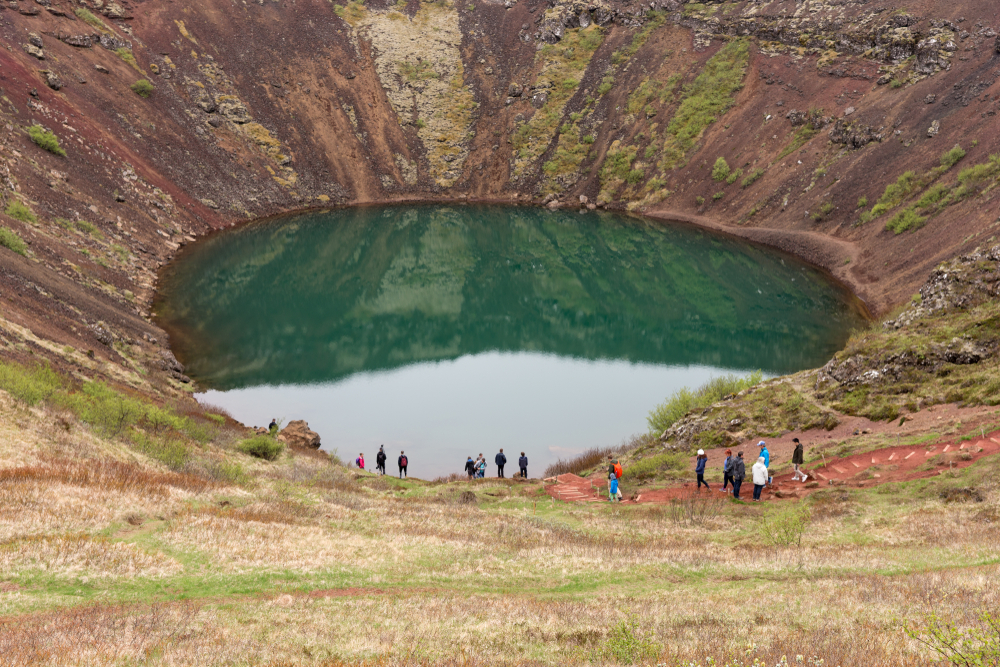
The final stop is Gullfoss, the "Golden Falls." This two-tiered waterfall plunges 32 meters into a rugged canyon. On sunny days, you'll often see rainbows in the mist. Many Golden Circle tours also include stops at the Kerið volcanic crater or local farms where you can taste Icelandic ice cream.
Getting there: The full loop takes 6-8 hours. You can drive yourself or join one of many Golden Circle day tours that handle transportation and provide expert guides.
2. The South Coast to Vík
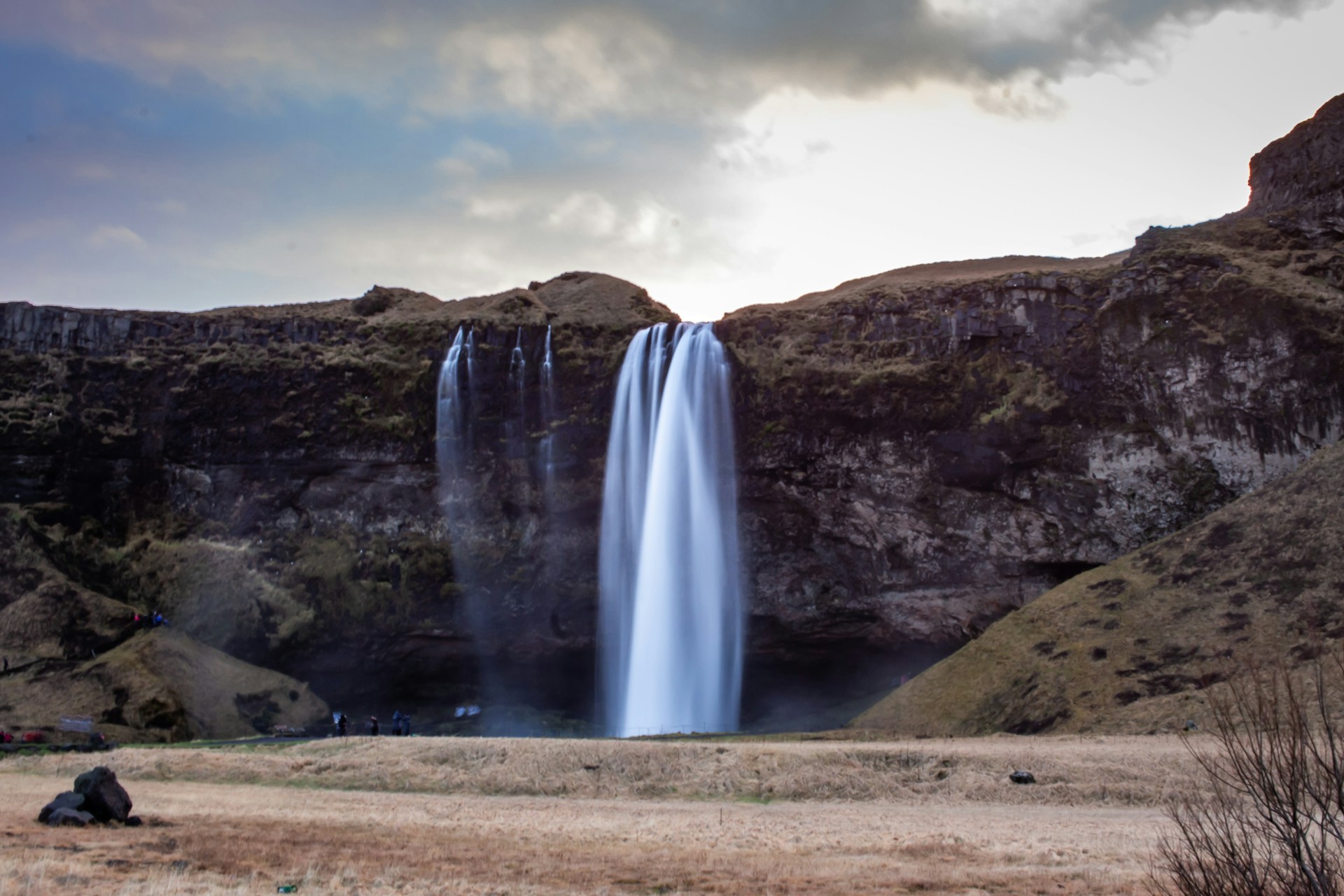
Iceland's south coast is packed with natural wonders. This day trip takes you along Route 1 to the charming village of Vík, passing incredible sights along the way.
Your first stop is usually Seljalandsfoss waterfall, where you can walk behind the falling water for a unique perspective. Bring a waterproof jacket because you will get wet. About 30 minutes further is Skógafoss, a massive 60-meter waterfall that's one of Iceland's most photographed spots. If you're feeling energetic, climb the 500 steps to the top for spectacular views.
Continue to Reynisfjara black sand beach near Vík. The beach features dramatic basalt columns, powerful waves, and the Reynisdrangar sea stacks rising from the ocean. The beach is beautiful but dangerous—always respect warning signs and never turn your back on the waves.
Many South Coast tours include additional stops at the Sólheimajökull glacier or the plane wreck at Sólheimasandur. The full trip covers about 360 kilometers round-trip.
Getting there: The drive takes about 2.5 hours one way. South Coast day trips are widely available and often combine multiple attractions in one day.
3. The Blue Lagoon
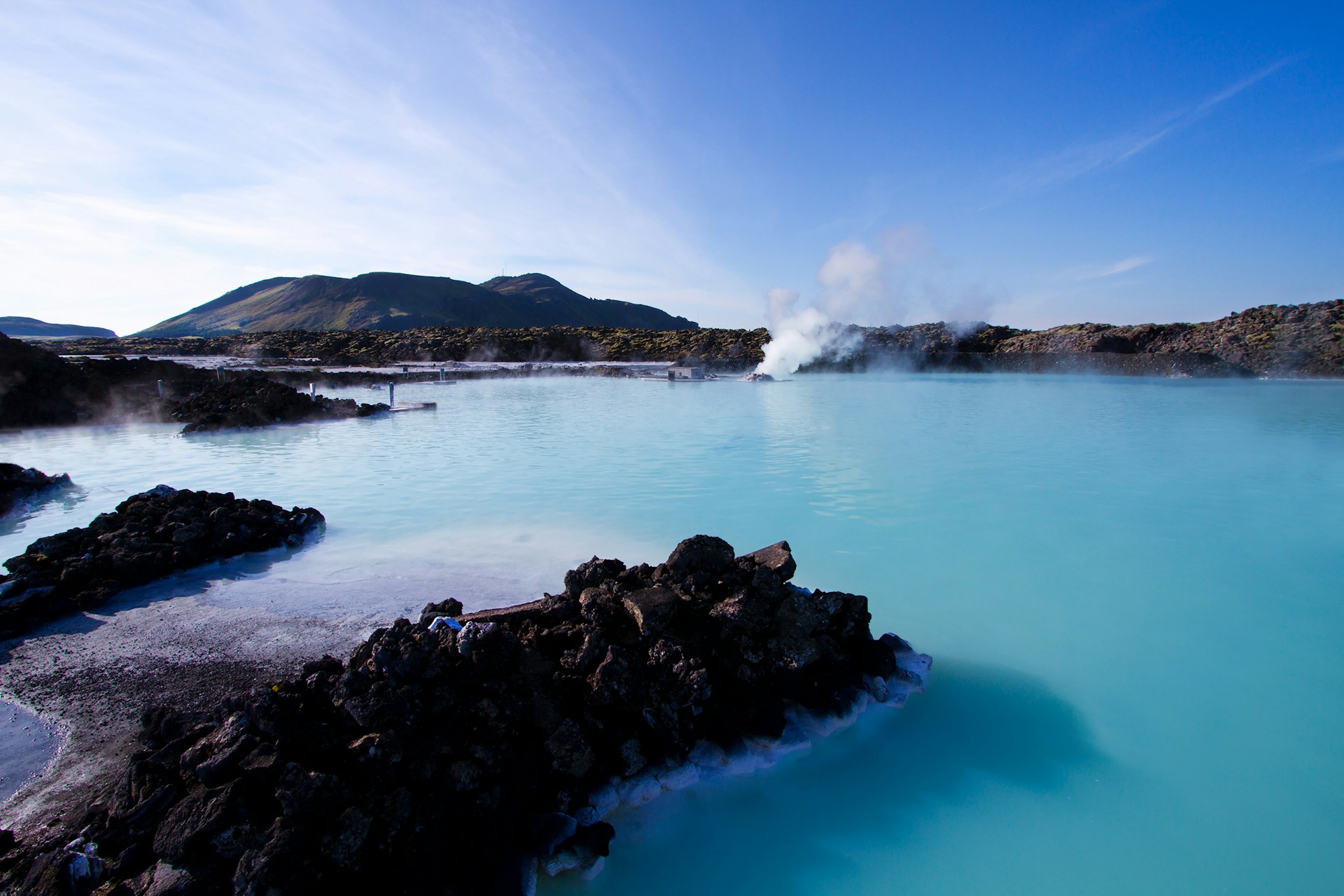
The Blue Lagoon is Iceland's most famous geothermal spa. Located in a lava field on the Reykjanes Peninsula, this milky-blue pool is heated by water from the nearby geothermal power plant. The mineral-rich water stays at a comfortable 37-39°C year-round.
The silica mud is great for your skin, and you can apply a free silica mask at the swim-up mask bar. The lagoon has a waterfall, steam rooms, and an in-water bar where you can sip drinks while you soak. The surrounding black lava rocks create an otherworldly atmosphere, especially when it's snowing.
Book your tickets in advance—the Blue Lagoon limits daily visitors and often sells out weeks ahead. Various ticket packages include extras like bathrobes, slippers, and spa treatments.
Getting there: It's a 50-minute drive from Reykjavik. Many visitors combine the Blue Lagoon with airport transfers or book dedicated Blue Lagoon tours that include transportation and admission.
4. Snæfellsnes Peninsula
.jpg)
Often called "Iceland in Miniature," the Snæfellsnes Peninsula has a bit of everything—lava fields, fishing villages, bird cliffs, and the glacier-capped Snæfellsjökull volcano (yes, the one from Jules Verne's "Journey to the Center of the Earth").
Key stops include Kirkjufell mountain, one of Iceland's most photographed peaks, with a small waterfall in the foreground. The black church at Búðir sits alone in a lava field with mountains behind it. Arnarstapi has coastal rock formations and a stone arch where waves crash dramatically.
Don't miss the small fishing villages of Stykkishólmur and Grundarfjörður, where colorful houses line the harbor. The Vatnshellir lava cave offers underground tours where you descend into an 8,000-year-old lava tube.
Getting there: The peninsula is about 2.5 hours north of Reykjavik. The full circuit is around 470 kilometers, so Snæfellsnes Peninsula tours typically make full-day trips of 10-12 hours.
5. Jökulsárlón Glacier Lagoon
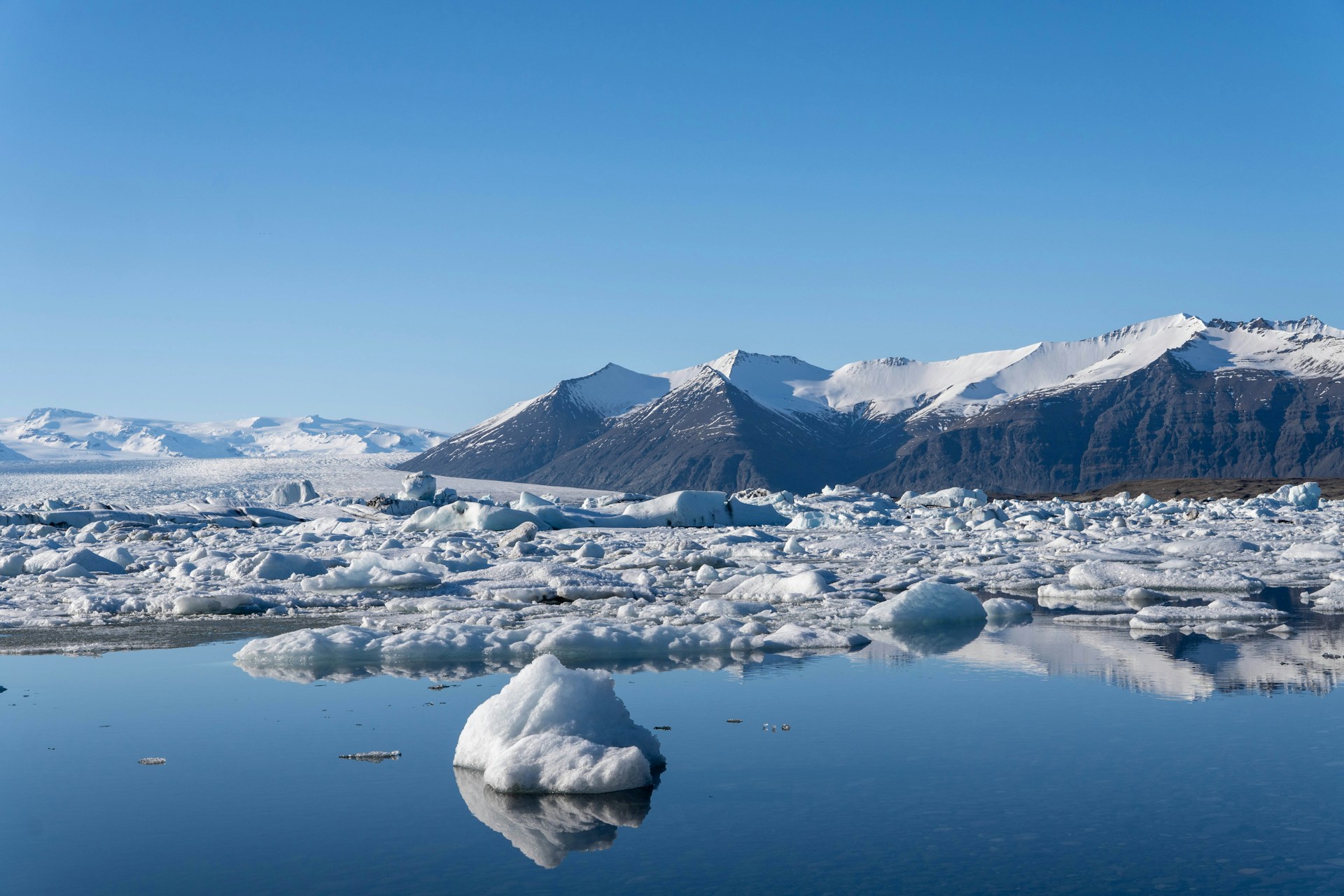
Jökulsárlón is Iceland's most magical glacier lagoon. Huge chunks of ice break off from Breiðamerkurjökull glacier and float through the lagoon before drifting out to sea. The ice ranges from bright white to deep blue, and some pieces are striped with black volcanic ash.
Across the road is Diamond Beach, where ice chunks wash up on the black sand, sparkling like diamonds. It's an incredible sight and a photographer's dream. Seals often swim in the lagoon, popping their heads up to check out visitors.
You can take boat tours among the icebergs (either zodiac or amphibious vehicles). The lagoon appears in several movies, including two James Bond films and Lara Croft: Tomb Raider.
Getting there: Jökulsárlón is about 370 kilometers from Reykjavik, making it a long day trip (5 hours each way). Most glacier lagoon tours leave early in the morning and return late at night, but they include stops at south coast waterfalls along the way.
6. Reykjanes Peninsula
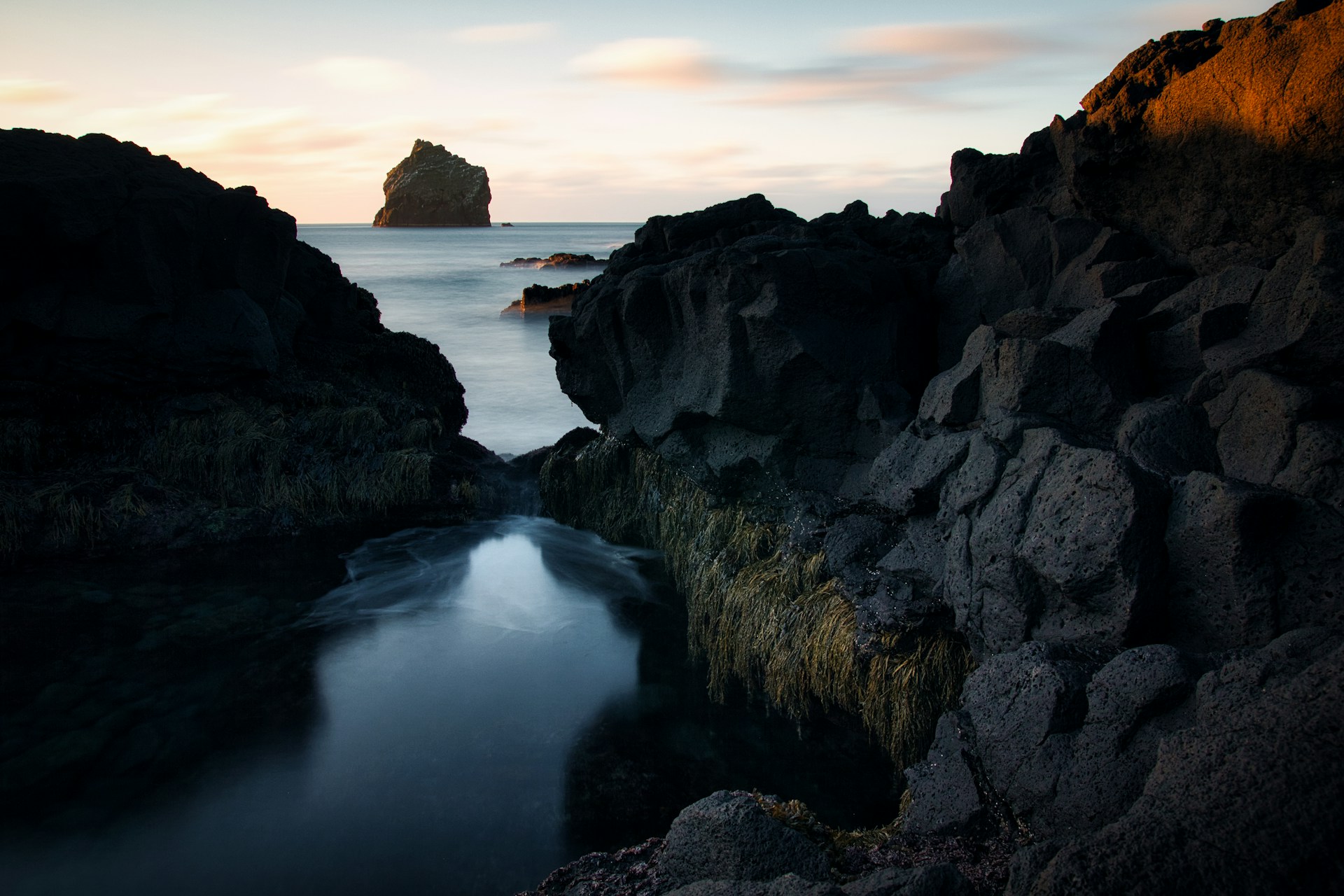
The Reykjanes Peninsula is right next to Reykjavik but feels like another world. This volcanic landscape features bubbling mud pools, steam vents, rugged coastlines, and the Bridge Between Continents where you can walk between tectonic plates.
Gunnuhver is a powerful geothermal area with massive steam vents. The coastal cliffs at Reykjanestá are dramatic, with a lighthouse perched on the edge and bird colonies nesting on the rocks. Kleifarvatn lake sits in a volcanic crater surrounded by colorful hills.
The peninsula also includes the Blue Lagoon, though you can explore the rest of the area without stopping at the spa. Many visitors overlook Reykjanes because they're rushing to other destinations, but it's a fascinating area that deserves more attention.
Getting there: The peninsula is very close to Reykjavik and the international airport. You can easily drive yourself or join Reykjanes Peninsula tours that cover the highlights in 4-6 hours.
7. Landmannalaugar
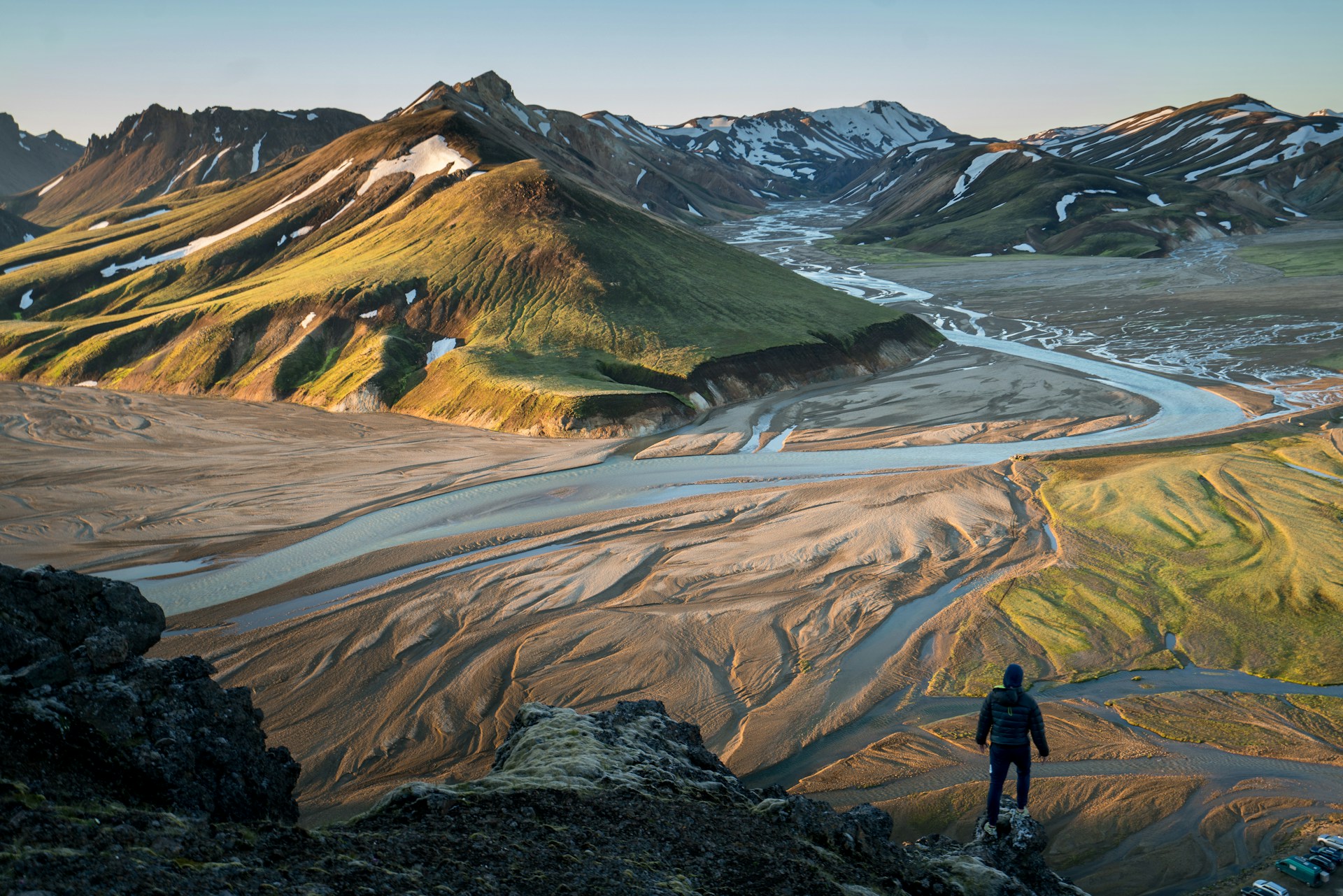
Landmannalaugar is Iceland's most colorful landscape. The rhyolite mountains display incredible shades of red, orange, yellow, pink, and green created by different minerals. The area sits in the highlands, surrounded by lava fields, hot springs, and hiking trails.
You can soak in a natural hot river after hiking through the otherworldly landscape. The most popular hike is to the top of Brennisteinsalda (Sulfur Wave), which takes about 90 minutes and rewards you with panoramic views of rainbow-colored mountains.
The area is only accessible in summer (roughly June to September) when highland roads open. The drive requires a 4x4 vehicle and includes river crossings and rough mountain roads.
Getting there: It's about 180 kilometers from Reykjavik, but the last section is on rough highland roads. Most visitors book Landmannalaugar tours with super jeeps or buses designed for highland travel.
8. Whale Watching from Nearby Towns
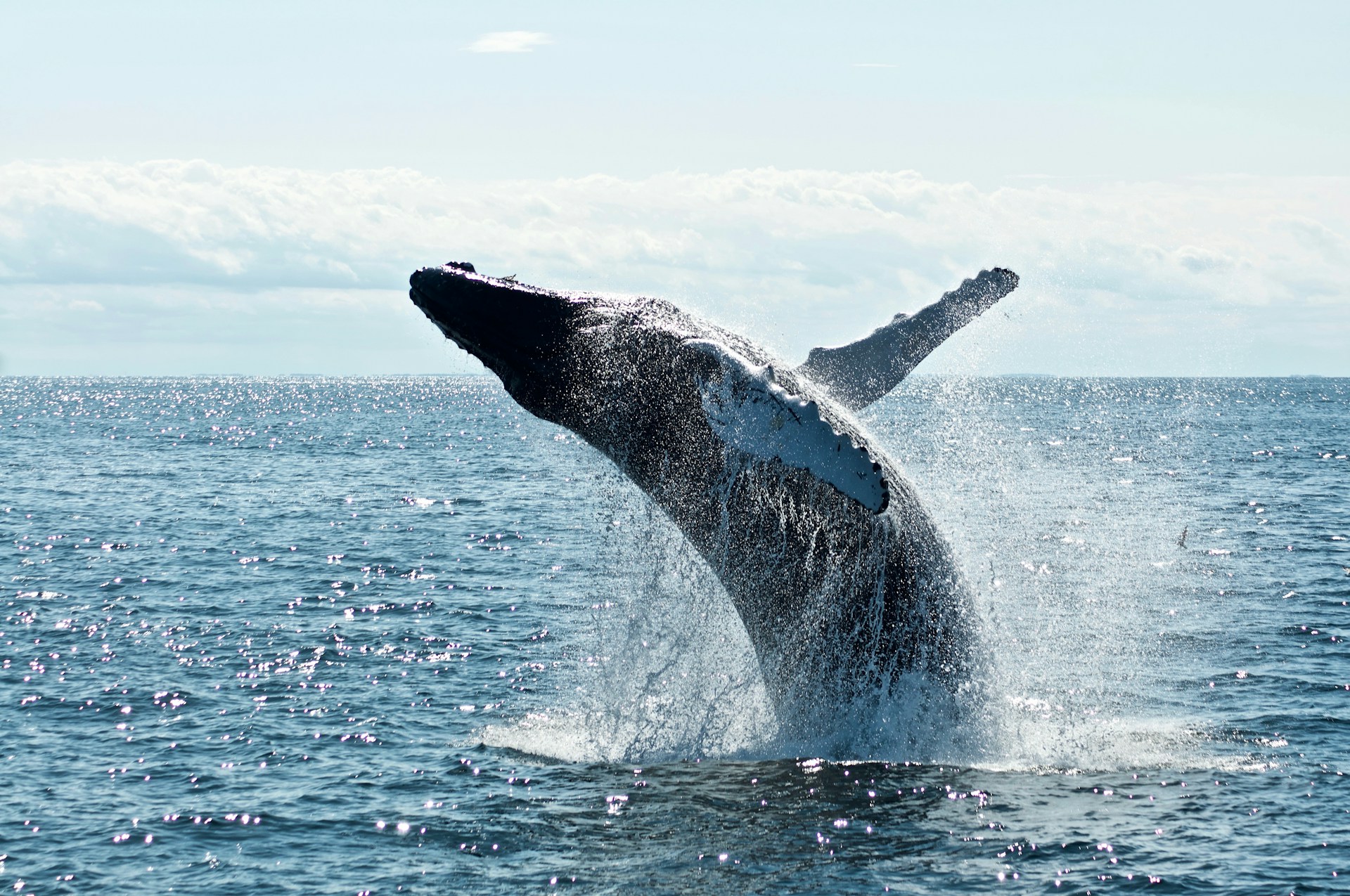
Iceland is one of the world's best places to see whales. While you can take whale watching tours directly from Reykjavik's Old Harbor, trips from nearby towns often have higher success rates.
Akureyri in North Iceland is known as the whale watching capital, with success rates above 95% in summer. You might see humpback whales, minke whales, blue whales, and white-beaked dolphins. The waters around Húsavík are especially rich in marine life.
Tours typically last 3-4 hours and provide warm overalls since it gets cold on the water. Most operators have a policy where you can return for free if no whales are spotted. June through August offers the best conditions and longest days, though tours run year-round in some locations.
Getting there: Whale watching tours are available from Reykjavik harbor, or you can take day trips to other coastal towns known for whale watching.
9. Þórsmörk Valley
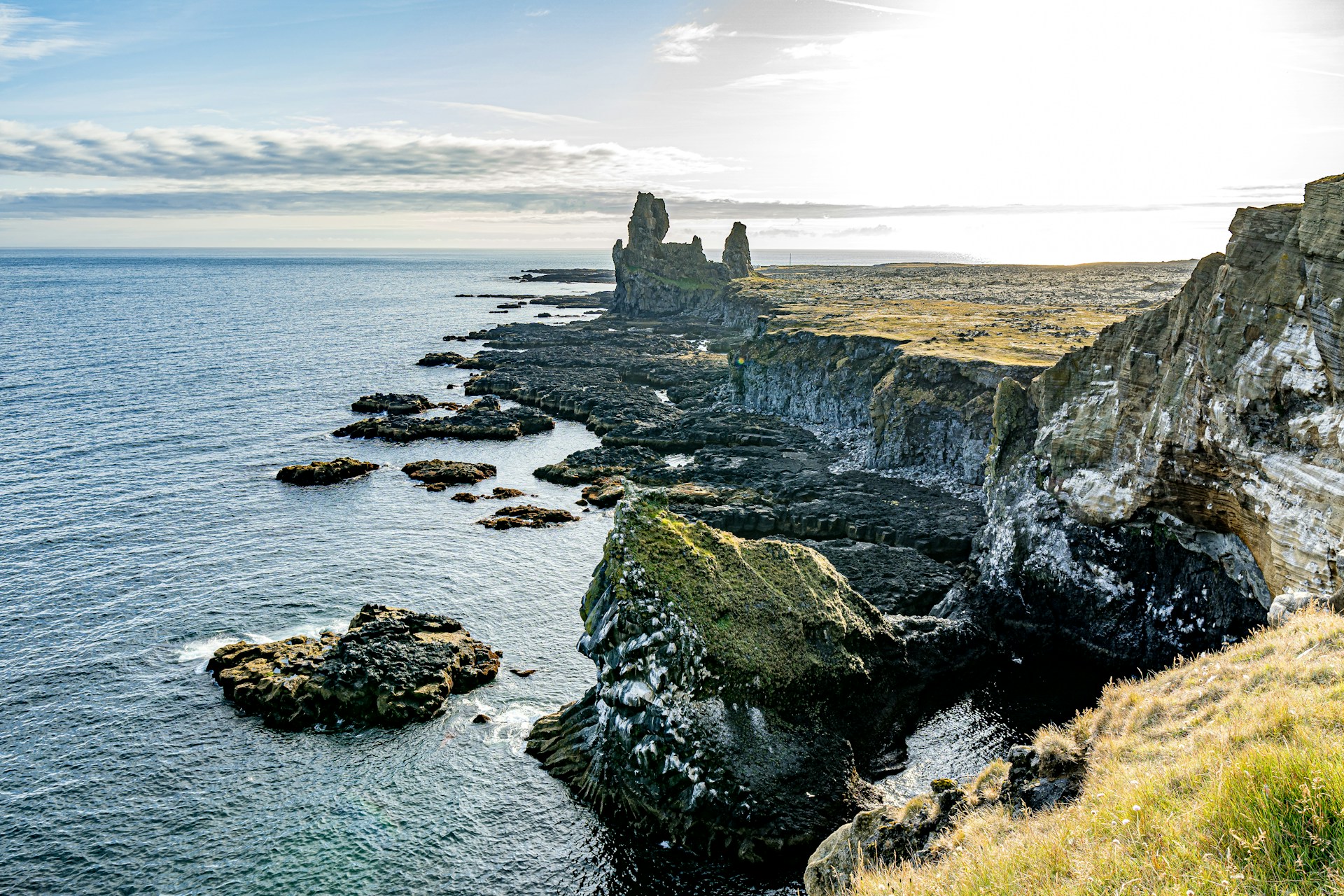
Þórsmörk (Thor's Valley) is a beautiful mountain valley nestled between glaciers. The area offers some of Iceland's best hiking, with trails through birch forests, across rivers, and up to viewpoints overlooking glaciers.
The valley enjoys a microclimate that's warmer and more sheltered than the surrounding areas. Wildflowers bloom in summer, and the fall colors are spectacular. Popular hikes include the trail to Valahnúkur viewpoint and longer treks to the edge of glaciers.
Like Landmannalaugar, Þórsmörk requires crossing rivers and driving on rough mountain roads. The area is only accessible in summer with 4x4 vehicles.
Getting there: It's about 150 kilometers from Reykjavik, but takes 3-4 hours due to rough roads and river crossings. Þórsmörk tours with super jeeps or specialized highland buses are the easiest way to visit.
10. Ice Cave and Glacier Adventures
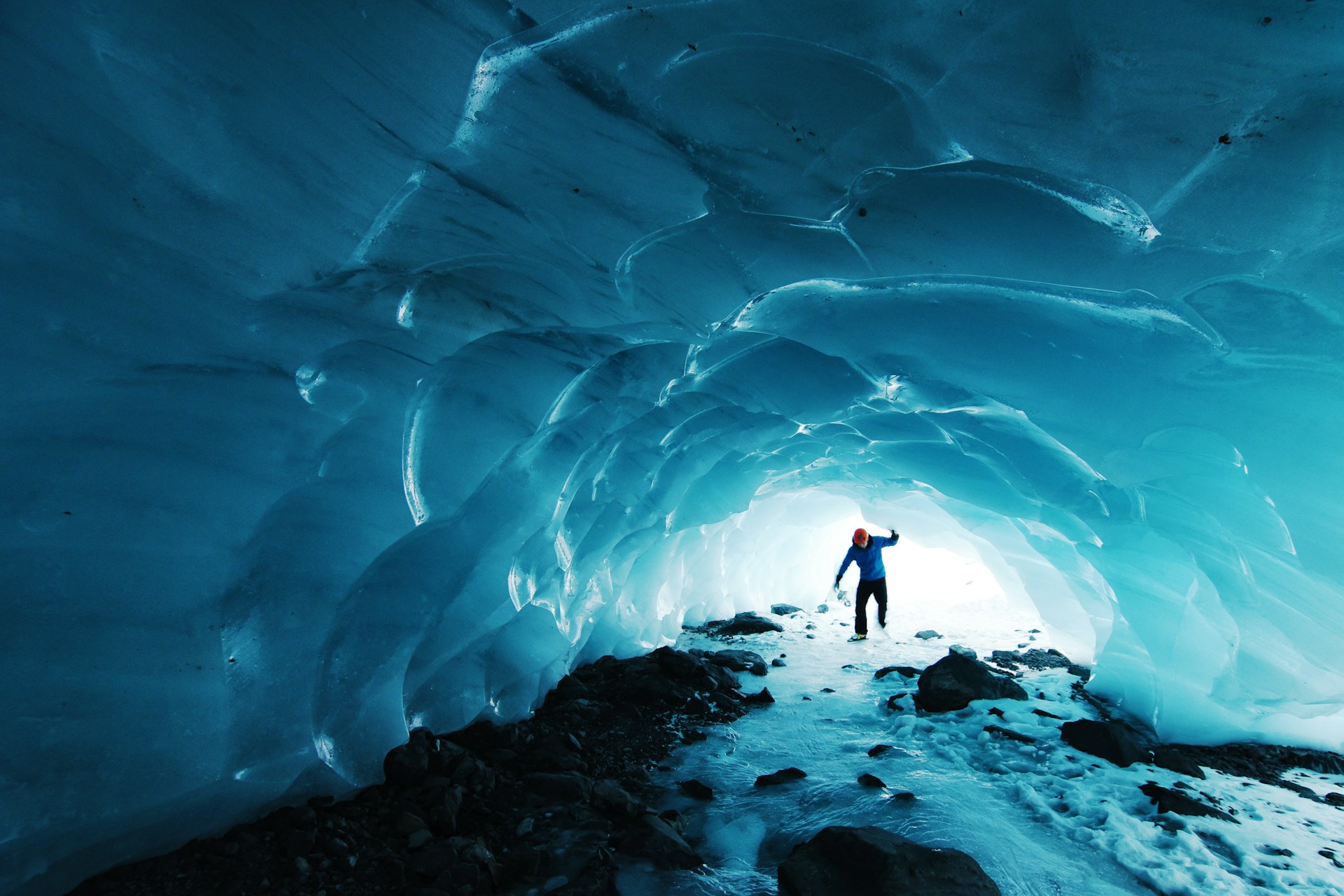
Iceland's ice caves are temporary formations created by meltwater flowing through glaciers. The caves exist only in winter (roughly November to March) when temperatures are cold enough to keep them stable. Inside, the ice glows brilliant blue, creating a surreal experience.
The most famous ice caves are in Vatnajökull glacier, Iceland's largest ice cap. Tours involve traveling to the glacier in a super jeep, then hiking into the cave with helmets and crampons. Each cave is unique and changes throughout the season.
Glacier hiking is available year-round on various glaciers including Sólheimajökull, Svínafellsjökull, and others. These adventures require proper equipment (crampons, ice axes, helmets) which tour operators provide. Guides teach you how to walk on ice and explain how glaciers form and move.
Getting there: Ice cave and glacier tours depart from various locations depending on which glacier you're visiting. Most combine with other south coast attractions for full-day adventures.